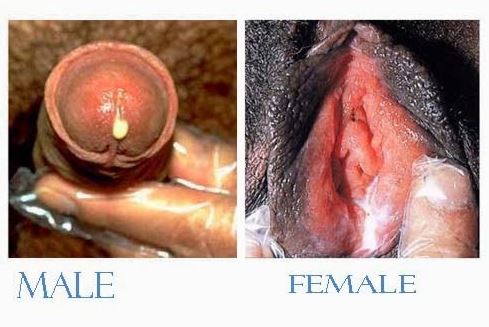
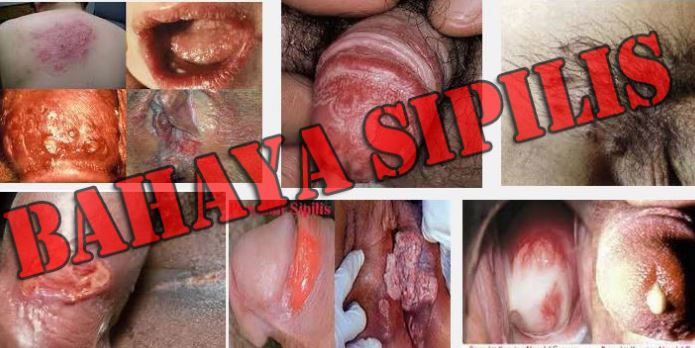
pengobatan kutil kelamin di rumah - Kutil kelamin termasuk penyakit infeksi menular seksual pada kulit dan mukosa. Penyakit ini disebabkan adanya virus Human Papiloma Virus (HPV). Dalam bahasa awam, kutil kelamin lebih dikenal sebagai penyakit jengger ayam. Gejala-gejala kutil kelamin dini yang patut diwaspadai antara lain merasakan rasa nyeri pada daerah sekitar alat kelamin. Biasanya disertai rasa gatal di daerah sekitar alat kelamin. Lama kelamaan menjadi sakit yang tidak tertahan, terlebih setelah berhubungan seksual. Perlu diketahui, mereka yang aktif secara seksual lebih berisiko untuk terkena virus HPV, namun tidak semuanya berkembang menjadi jengger ayam. Sering bergonta-ganti pasangan seksual dan pernah mengalami penyakit menular seksual adalah penyebab utamanya penyakit ini.

Banyak sekali salep kutil kelamin yang di jual secara bebas di apotik. Cara paling mudah bagi masyarakat membeli obat, tentu melalui apotik yang telah tersedia di mana saja. Tetapi, ternyata membeli obat di apotik tidaklah sebebas yang dipikirkan masyarakat. Namun anda harus tepat membeli obat kutil kelamin atau obat lainnya di apotik. Karena antibiotik yang Anda beli tanpa resep dokter dengan tujuan mengobati sakit Anda justru bisa berbalik membahayakan diri Anda dan dapat menimbulkan efek samping. Tetapi disini saya akan menawarkan obat kutil kelamin yang aman,tepat dan efektif untuk anda. Yaitu menggunakan obat herbal dari De Nature Indonesia yang sudah teruji oleh dinas kesehatan BPOM.
Sekedar informasi untuk kenyamanan konsumen,bahwa produk dari perusahaan kami ini sudah memiliki: ijin resmi perusahaan dari kementerian kesehatan,sertifikat halal MUI,sehingga kehalalannya bisa dipertanggung jawabkan,apoteker yang berpengalaman,sudah melewati proses sortir bahan baku,guna menjaga mutu produk,proses produksi sesuai alur CPOTB (Cara Pembuatan Obat Tradisional Yang Baik Dan Benar) dan sudah bersertifikat ISO 9001:2015 Berstandar Mutu Internasional
PENGERTIAN KUTIL KELAMIN
Obat Minum Dan Oles Untuk Kutil Kelamin Di Apotik Kimia Farma k24 – Kutil kelamin merupakan penyakit kelamin yang di tandai dengan adanya benjolan kecil yang tumbuh di sekitar area kelamin dan dubur. Penyakit kutil kelamin ini bisa dialami siapa saja yang aktif secara seksual. Kutil kelamin berbeda dengan kutil yang tumbuh di bagian tubuh lain, karena kondisi ini termasuk infeksi menular seksual. Dalam dunia medis atau kedokteran,kutil kelamin disebut Kondiloma akuminata. Penyebaran kutil kelamin terjadi melalui hubungan seksual, baik melalui vagina, maupun secara oral atau anal. Di samping itu, virus juga bisa menular ketika tangan penderita kutil kelamin menyentuh kelamin sendiri, lalu menyentuh kelamin pasangannya. Untuk mengetahui gejala kutil kelaminsimak ulasan gejala kutil kelamin di bawah ini.

GEJALA DAN TANDA-TANDA KUTIL KELAMIN
Obat Minum Dan Oles Untuk Kutil Kelamin Di Apotik Kimia Farma k24 – Kutil kelamin berukuran kecil,dengan warna serupa kulit atau sedikit lebih gelap. Oleh karena itu, kutil kadang sulit terlihat dengan kasat mata. Kutil dapat tumbuh secara tunggal, dan bisa juga berkelompok serta membentuk struktur seperti kembang kol. Gejala lain bisa di tandai dengan bengkak kecil di daerah kemaluan,rasa gatal atau rasa tidak nyaman di daerah kemaluan dan pendarahan saat hubungan seksual. Ada perbedaan pertumbuhan atau bagian-bagian yang terkontaminasi kutil kelamin pada pria dan wanita. Berikut penjelasannya.
Pada pria, kutil kelamin dapat tumbuh di sejumlah area, seperti :

- Batang atau ujung penis
- Kantung buah zakar
- Selangkangan
- Paha bagian atas
- Sekitar atau di dalam anus.
Sedangkan pada wanita, kutil kelamin dapat tumbuh di :

- Dinding vagina
- Vulva (bagian luar vagina)
- Daerah antara vagina dan anus (perineum)
- Di dalam vagina atau di dalam anus
- Leher rahim.
PENYEBAB KUTIL KELAMIN
Obat Minum Dan Oles Untuk Kutil Kelamin Di Apotik Kimia Farma k24 – Kutil kelamin disebabkan oleh human papillomavirus (HPV). Pada wanita, virus papiloma tipe 16 dan 18, yang menyerang leher rahim tetapi tidak menyebabkan kutil pada alat kelamin luar dan bisa menyebabkan kanker leher rahim. Virus tipe ini dan virus papiloma lainnya bisa menyebabkan tumor intra-epitel pada leher rahim (ditunjukkan dengan hasil Pap-smear yang abnormal) atau kanker pada vagina, vulva, dubur, penis,mulut, tenggorokan atau kerongkongan.
RESIKO TERKENA KUTIL KELAMIN
Sejumlah faktor lain yang memperbesar risiko seseorang menderita kutil kelamin adalah:

- Hamil
- Merokok
- Memiliki sistem kekebalan tubuh lemah
- Melakukan seks tanpa kondom dengan pasangan yang berbeda-beda
- Memiliki infeksi menular seksual sebelumnya
- Berhubungan seks dengan pasangan yang tidak Anda ketahui sejarah seksualnya
- Sudah aktif secara seksual sejak usia muda
KOMPLIKASI AKIBAT KUTIL KELAMIN
Obat Minum Dan Oles Untuk Kutil Kelamin Di Apotik Kimia Farma k24 – Kutil kelamin dapat menimbulkan komplikasi berbahaya seperti kanker serviks, kanker vulva, kanker penis dan kanker anus. Kutil kelamin dapat menyebabkan masalah selama kehamilan. Ketika kutil kelamin menjadi membesar,ibu hamil sulit untuk buang air kecil. Tak hanya itu, kutil kelamin pada dinding vagina juga dapat mengurangi kemampuan jaringan vagina untuk meregang saat proses melahirkan. Sementara kutil kelamin yang besar pada vulva atau di vagina dapat menyebabkan pendarahan saat proses mengejan. Maka dari itu segeralah lakukan pengobatan kutil kelamin berupa Salep kutil kelamin yang aman dan efektif.
PENGOBATAN KUTIL KELAMIN

Pengobatan kutil kelamin bisa menggunakan salep kutil kelamin. Anda bisa menemukan salep kutil kelamin yang tersedia di apotik umum.
Berikut adalah beberapa macam contoh jenis salep yang tersedia di apotik umum.
- Callusol
Salep Kutil Kelamin Di Apotik bernama callusol merupakan obat kutil yang sangat ampuh mengatasi masalah kutilan. Selain itu Callusol juga dapat mengatasi masalah mata ikan, bisulan dan penyakit kulit lainnya. Cara menghilangkan kutil dengan Callusol cukup Anda tempelkan Callusol dengan kapas di area kutilan. Anda bisa temukan Callusol di apotek dengan harga sebesar Rp 36.000,00.
- Collomack
Salep Kutil Kelamin Di Apotik bernama collomack merupakan obat kutil di apotik yang memiliki kandungan didalamnya seperti dengan kandungan didalam callusol. Collomack merupakan obat kutil paling ampuh yang dapat mengatasi kutil dengan cepat. Collomack dapat Anda beli di apotek offline atau secara online dengan harga sekitar Rp 40.000,00
- Kutilos
Salep Kutil Kelamin Di Apotik bernama Kutilos merupakan obat penghilang kutil di apotik yang sangat direkomendasikan. Produk ini aman digunakan untuk menghilangkan masalah kutil di wajah, leher, kaki atau area lain baik pada anak-anak atau orang dewasa. Kutilos dapat Anda temukan di apotek dengan harga bervariasi berkisar antara Rp 22.000,00 – 27.000,00.
- Kapsida
Salep Kutil Kelamin Di Apotik bernama Kapsida ampuh mengatasi bisul, kutil, jerawat dan berbagai masalah kulit lainnya. Kapsida merupakan obat kutil yang dikonsumsi dengan cara diminum. Anda bisa dapatkan Kapsida di apotek terdekat dengan harga sekitar Rp 18.000,00.
Langkah yang terbaik agar terhindar dari penyakit yang satu ini adalah hidup sehat atau dalam arti berhubungan seksual yang sehat seperti,menggunakan pengaman atau menggunakan kondom,tidak bergonta-ganti pasangan dengan 1 pasangan saja atau setia dengan 1 pasangan. Tidak berhubungan seks dengan seseorang yang tidak anda ketahui riwayat seksual nya. Hal ini karena bisa saja pasangan seksual Anda terserang kutil kelamin, namun tidak diketahuinya karena tidak menimbulkan gejala. Vaksin HPV umumnya hanya menimbulkan efek samping ringan, seperti nyeri pada area bekas suntikan, pusing, sakit kepala, serta flu ringan.
SEGERA HUBUNGI KAMI
Untuk Pengobatan Cepat dan Aman Sebelum Penyakit Anda Semakin Parah dan Berbahaya. Jika anda berminat dengan produk kami silahkan hubungi kami lewat :
ALAMAT KAMI DE NATURE INDONESIA
De Nature beralamat di Jln. Pahonjean Majenang, Kecamatan Majenang, Kabupaten Cilacap, Propinsi Jawa Tengah. Jika anda berada jauh dari kantor kami, dapat melakukan pemesanan secara online dengan menghubungi Customer Service De Nature di nomor

Terima kasih telah berkunjung ke website kami. Semoga anda cocok menggunakan produk kami karena kepuasan anda adalah prioritas utama kami, di samping materi dan popularitas kami sendiri. Salam sehat dari kami DENATURE INDONESIA.
JANGAN TUNDA-TUNDA PENYAKIT ANDA SEBELUM PENYAKIT ANDA SEMAKIN PARAH,SEBELUM PENYAKIT ANDA SULIT DIOBATI,SEGERA DAPATKAN PENGOBATAN YANG TEPAT.
SEPARAH APAPUN PENYAKIT YANG ANDA DERITA DAPAT DISEMBUHKAN JIKA ANDA MAU BERUSAHA MENGOBATINYA !
https://pengobatankutilkemaluan.000webhostapp.com/http://obatkutilkelaminsuper.over-blog.com/https://obatkutilkemaluan.atavist.com/https://medium.com/@miandilagagam/